A zine (short for magazine) is a small and low budget booklet, allowing the author to express their personal thoughts, experiences or interests. The content of a zine can touch on any topic: from visual art to environmentalism, politics to fashion. Its format can be any combination of writing, drawings, photographs, collage, etc. The narrative and imagery may be clear or may be abstract. The beauty of the zine is that there are no limitations. Its physical structure and content is totally up to the maker.
As someone who rarely prints my photographs, I had been thinking of a way to build a small collection of my work to date. Although I had some knowledge of zines, the more I researched, the more intriguing the idea of making my own zine became.
I knew the theme of my zine was going to be pinhole photography, but wasn’t exactly sure on which direction this theme would move in. Rather then just using old photos, I wanted this experience of making a zine to motivate me to get out and take new pinhole photos with a theme in mind. I decided on the title “Pinhole on Film”, which would be a collection of both colour and black and white pinhole photographs, shot on medium format film.
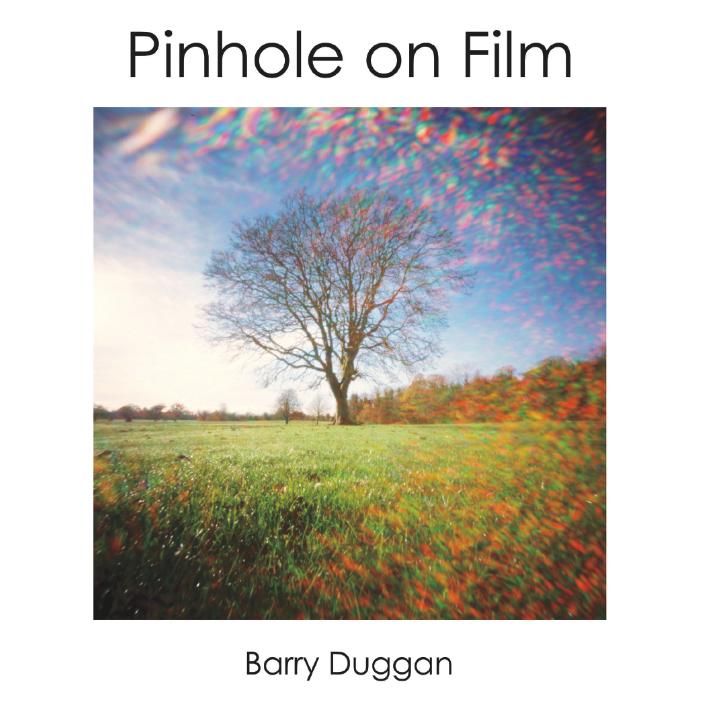
This is the front cover page. Inside, there was 12 pages, all photographs with no text. For the layout and printing I used Mixam, an online company. It was actually an exciting experience; seeing my work laid out in a “book” format. For the cover I chose 250gsm (grams per square metre) silk paper, with the body printed on 150gsm silk paper. However, upon receiving my initial copies, I knew I could further improve the zine in a number of areas…
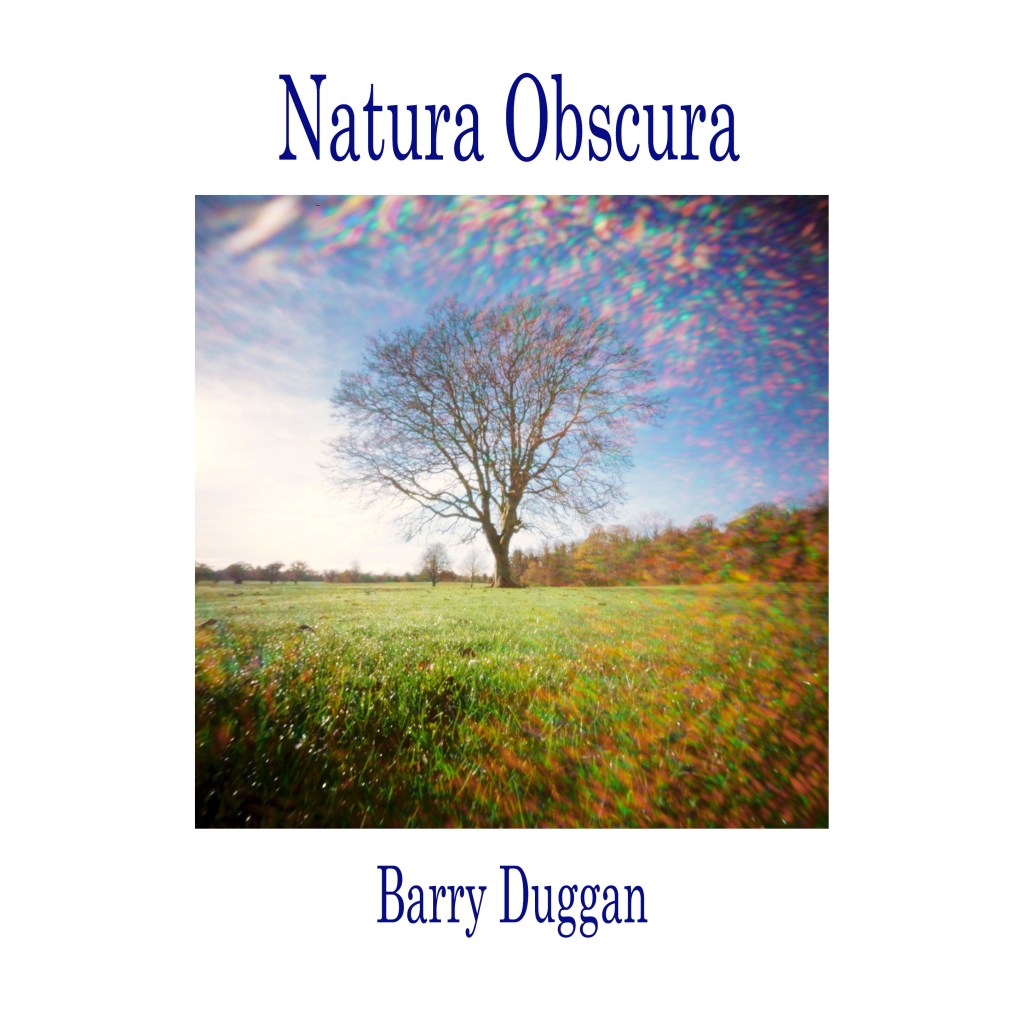
Firstly, the theme was too vague. Pinhole photography on film – sure it sounded niche in terms of process, but there was no reference to its content. So I decided to add what I love to photograph most – nature. I created the title “Natura Obscura” which is a combination of the pinhole camera itself – Camera Obscura, and the Latin word for nature – Natura. The English translation for the finished title is Dark Nature. I increased the number of pages from twelve to twenty four. I also wanted to use a heavier paper for both the cover and the body, so I increased the weight to 350gsm and 200gsm, respectively. I retained the front cover image as it was my the first colour pinhole photograph. I also added an introduction inside the front cover as well as a change of font throughout.
The sizes of the original film negatives were 6x6cm or 6x12cm. After scanning the negatives, I simply created small white boarders in Photoshop, saving flattened and un-flattened versions should I wish to re-edit any image. I then created a pdf for each, ready to upload. I assigned numbers to each pdf, which became useful during the printing layout stage as I often changed the order of the images.
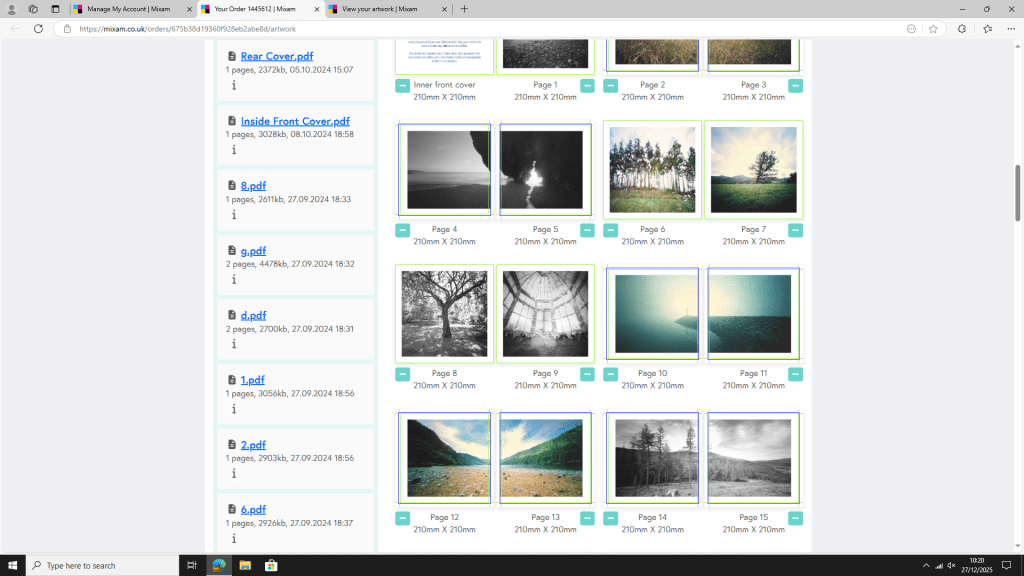
For the layout, I was conscious of two things. Firstly, there was two different image sizes. The square images would use one page and the panoramic images would use two pages. Simple as it sounds I had to consider the issue of the white boarders. Secondly, similar to alternating between image formats, I also wanted to alternate between colour and black and white.
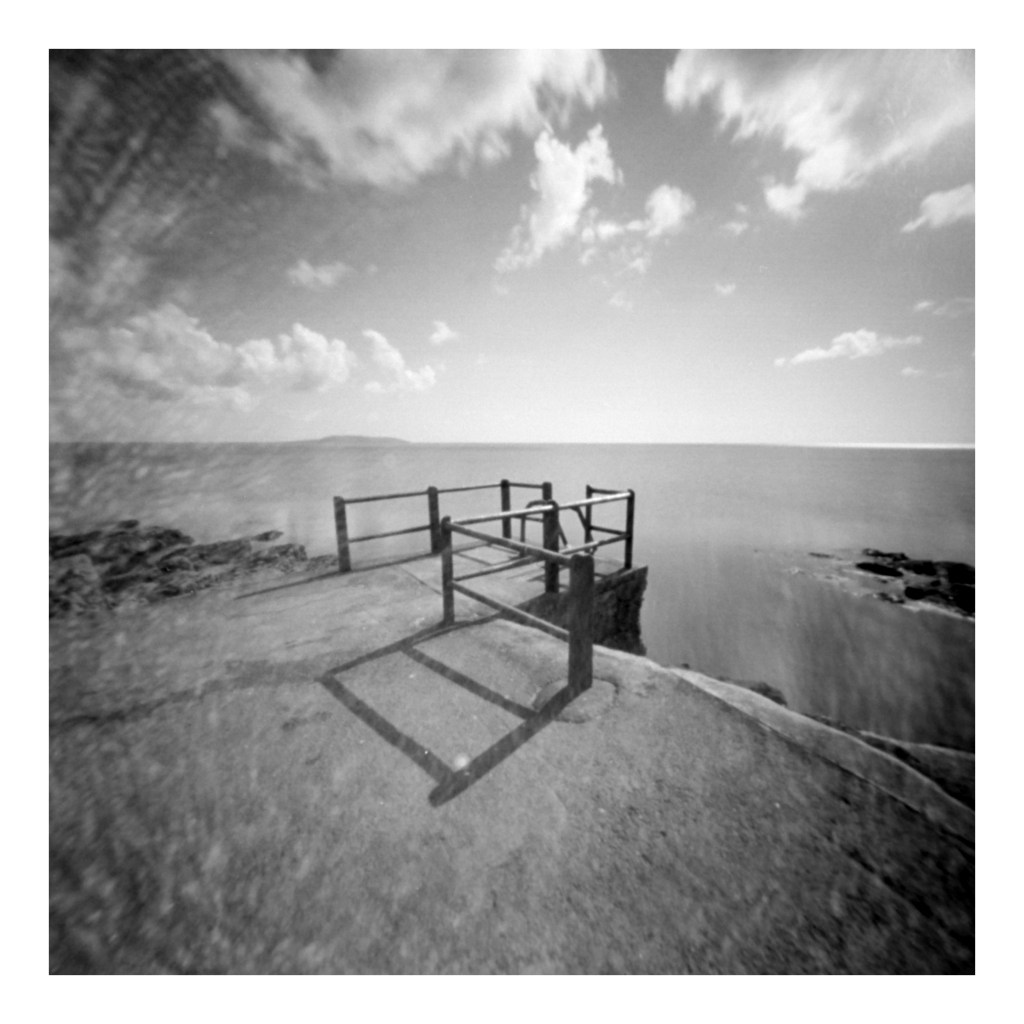
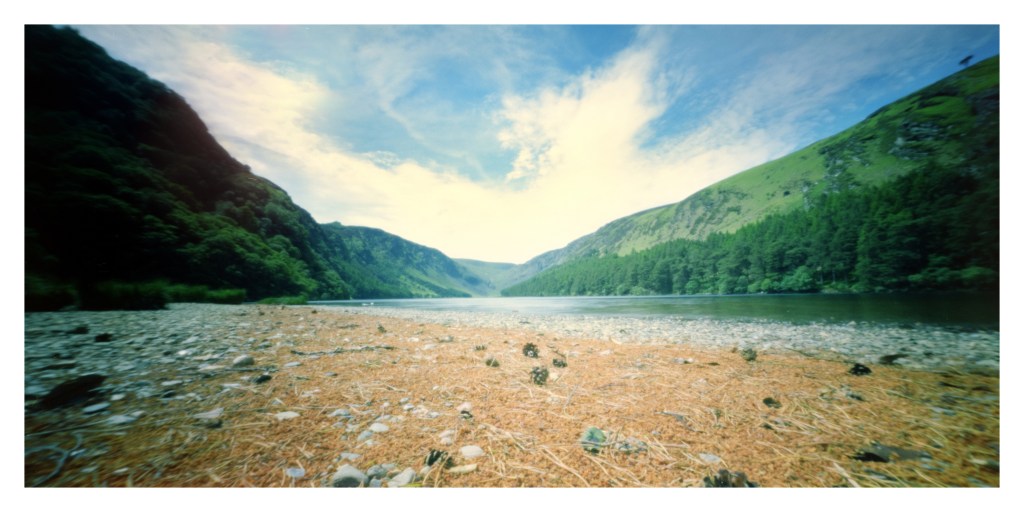
Once satisfied with my printed copies, my next step was to set about distributing it. Although I had some bit of interest via social media, I attempted to take it a step further. I contacted The Library Project. Located in Temple Bar, Dublin, and ran by PhotoIreland, it is Irelands most renowned art bookshop. After submitting a letter, the technical details, along with digital copies of my images, I was over the moon to receive the news that they would stock my zine in their store.
Sales have been going well and I have now increased the quantity of copies when delivering each batch to the store. However, there was never a financial incentive for me when making this zine. In fact, there is very little (if any) profit to be made from this endeavour. Personally, It’s about the experience of creating a new and fun way of showing my photography!
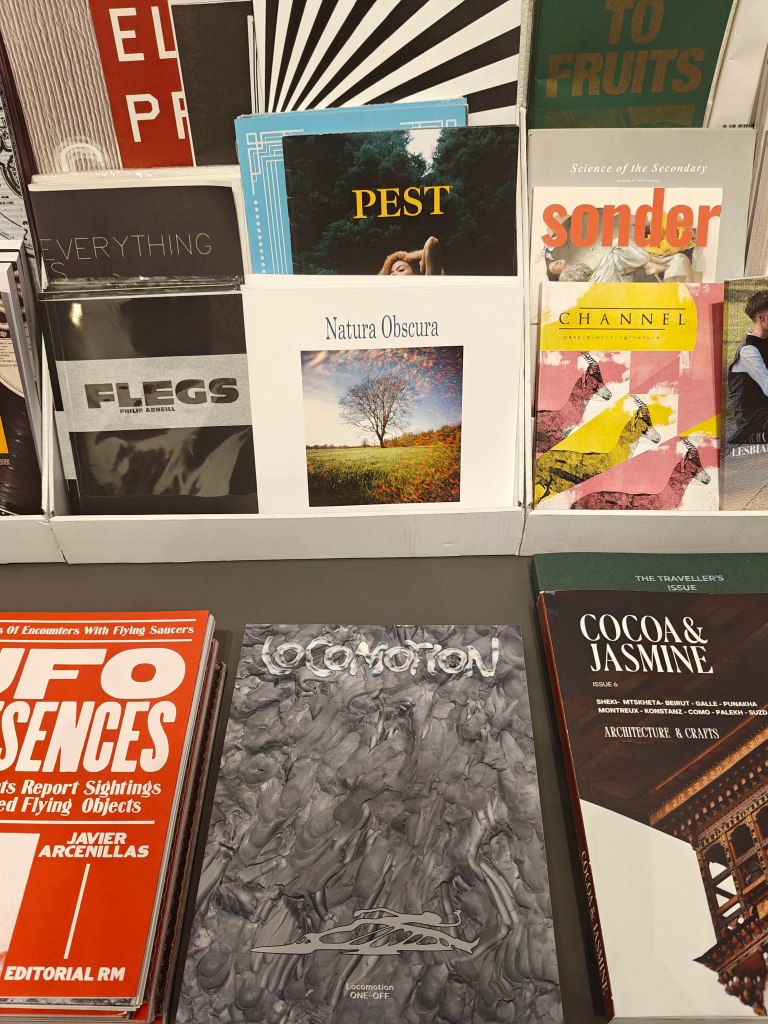
Natura Obscura is available from The Library Project, 4 Temple Bar Street, Dublin 2, and online at thelibraryproject.ie
 Barry Duggan Photography